
Audiology Marketing: The Patients Who Already Wear Your Devices
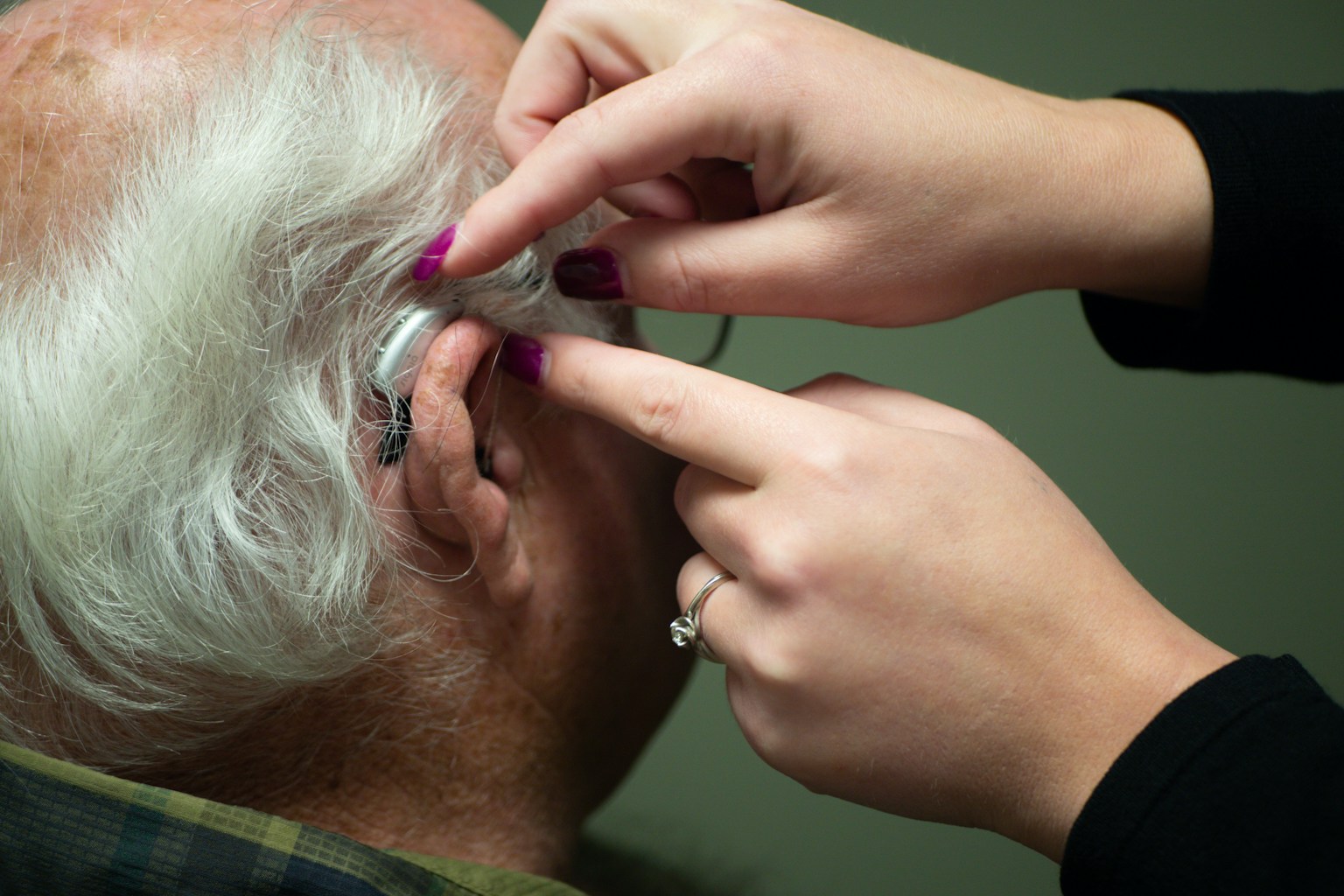
Most audiology marketing budgets go toward one goal: getting new people in for a free hearing test. Newspaper inserts, direct mail to older households, paid search, seminars. It is expensive, it is slow, and the market is getting more crowded as over-the-counter hearing aids and big-box retailers compete for the same first-time buyer.
The asset most practices underuse is the one already in the patient management system: people who have been tested, fitted, or treated there before. In audiology, those patients come back on a long but predictable cycle, and the practice that stays in touch with them through that cycle does not have to buy them twice.
Audiology has three lists, not one
Audiology marketing works best when the database is split into three groups, each with a different reason to return.
Current wearers. Patients fitted with devices by the practice. They need annual hearing tests, cleanings and adjustments, and, eventually, replacement devices. Hearing aids have a finite working life, and a wearer whose devices are ageing is the warmest replacement lead the practice will ever have.
Lapsed annual tests. Patients who came for regular tests or check-ups and stopped. Some moved, some went to another provider, and some simply dropped off because nobody reminded them.
Tested, not treated. Patients whose test showed a hearing loss that would benefit from treatment but who did not buy devices. This is often the largest group, and the one practices write off fastest.
Treating all three with the same newsletter wastes the most valuable reasons a practice has to call.
The replacement cycle is the biggest opportunity
A wearer fitted several years ago is approaching the point where their devices are worn, the technology has moved on, and their hearing may have changed. They will replace them somewhere. The question is whether it is with the practice that fitted them or with whoever reaches them first.
Practices that track device age can see this coming years in advance. Pull every wearer by fitting date and flag them well before the device is likely to need replacing. The conversation is then about a technology review and an updated hearing test, not a sales pitch. Most wearers appreciate the check, and a share will be ready to upgrade.
The same applies to warranty and service plan expiry. When a warranty ends, the patient is deciding whether to keep paying for repairs or replace. That is a decision the practice should help them make, not one they make alone.
Lapsed annual tests are a care gap
A patient who used to come in every year and has not been seen in two is overdue clinically, not just commercially. Hearing changes over time, and a device programmed for a hearing profile two years old is not doing its job.
That gives the practice a legitimate, non-promotional reason to make contact: “Our records show your last hearing test was about two years ago, and we usually recommend one each year. Can I find you a time?” It is the same recall logic that runs dental patient recall and that we cover in more depth in our guide to patient retention.
Tested-not-treated patients need a second conversation
Hearing aid decisions are slow. Patients are often told at the test that they would benefit from devices, hear a price, and go home to think about it. Some come back on their own. Many do not, usually because of cost, uncertainty about whether they really need them, or a family member who was not at the appointment.
Those reasons do not go away on their own, but most are answerable. A follow-up call that explains financing options, offers a trial period if the practice provides one, or invites the patient to bring a family member back for a second consultation recovers patients that no automated email will. Treat this list the way an orthodontic practice treats the consults that never started, which we covered in orthodontic marketing.
What to measure
| List | Lapse trigger | What to track |
|---|---|---|
| Current wearers | Device age approaching replacement; warranty ending | Replacement devices sold, revenue per wearer |
| Lapsed annual tests | No test in 18 to 24 months | Tests completed, devices or adjustments that followed |
| Tested, not treated | No purchase within 90 days of the test | Devices fitted from this list, time to purchase |
Report each list separately. A blended “reactivation rate” hides the fact that replacement wearers usually carry the highest value per patient by a wide margin.
Automation first, people for the rest
Automated reminders by mail, email and text should run on all three lists. Mail matters more in audiology than in most verticals because of the patient demographic. Then the reminders run out and a large share of every list stays quiet.
Those patients need a person: someone who can talk through a device question, explain financing, and book an appointment while they are on the phone, at a pace that suits an older patient. Front-desk staff rarely have time for that alongside inbound calls.
That is the part we run. Our own trained agents call lapsed and tested-not-treated patients, and we are paid on appointments and revenue we can attribute. The reactivation call script shows how those calls go.
Where to start
Pull current wearers by fitting date. Pull lapsed annual tests from the last three years. Pull tested-not-treated patients from the last eighteen months. Run reminders on all three, and put people on the replacement and tested-not-treated lists first.
If you want to see what those three lists are worth, book a strategy call.