
Barbershop Marketing: The Regulars Who Stopped Booking
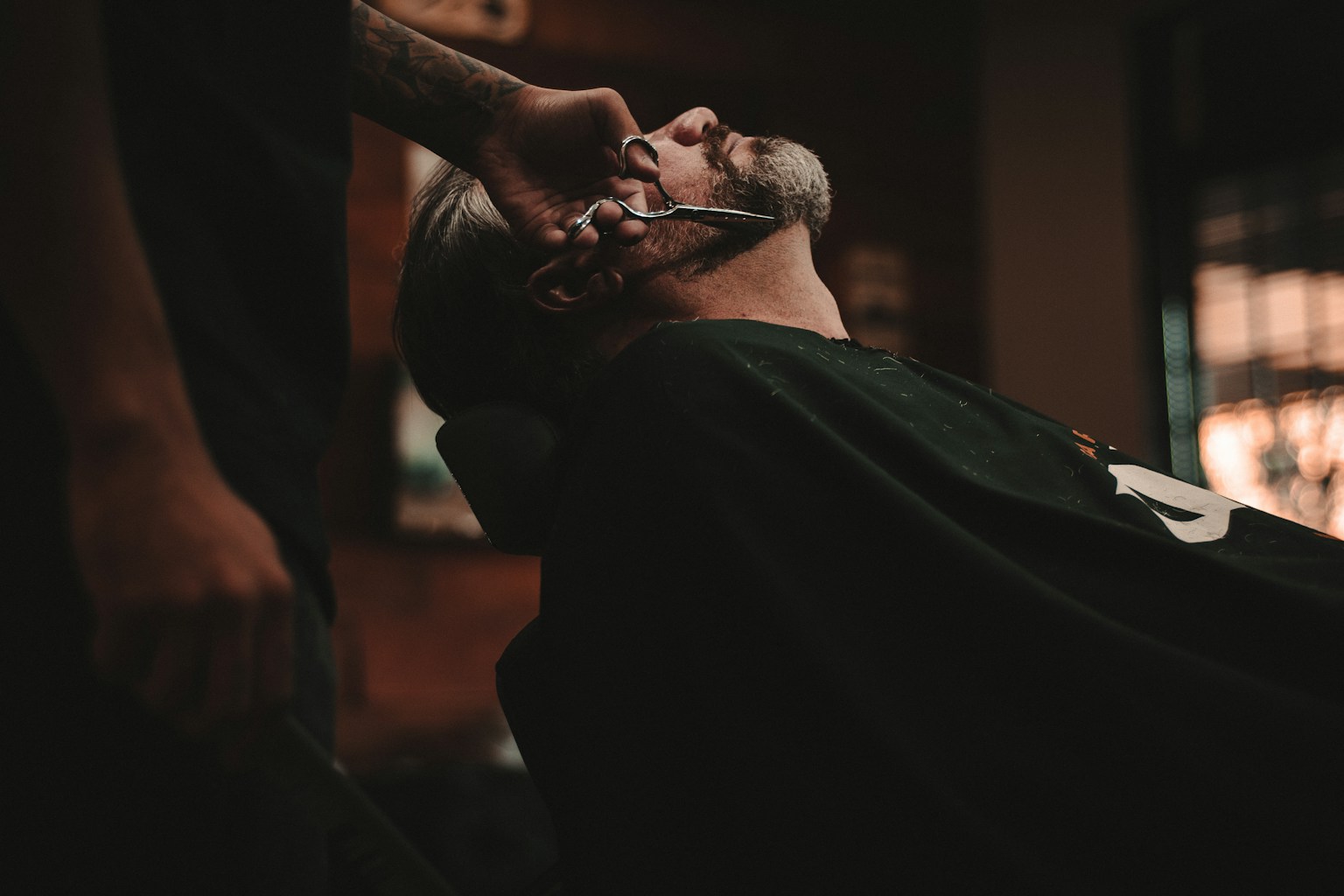
Barbershop marketing usually gets talked about as an Instagram problem. Post the fades, run a local ad, get listed on the booking apps, and walk-ins will follow. For a new shop, that is a fair place to start.
For an established shop, or a group running several locations, the economics look different. A barbershop lives on regulars: clients who come back every few weeks for the same cut from the same barber. A regular is worth many visits a year, and when they stop booking, the loss compounds quickly. The cheapest growth most shops have is not new clients. It is the regulars who used to come in and quietly stopped.
Short cycles make lapses easy to see
Barbershops have a shorter rebooking cycle than almost any other personal service. That is a gift for anyone trying to spot a lapse, because the signal arrives fast. A client who came in every few weeks for a year and has not been seen in two months has almost certainly gone somewhere else.
Compare each client to their own pattern, not to a shop average. A client who books every three weeks and is now three weeks overdue is a much stronger signal than one who comes every two months and is a week late. Most booking systems record enough history to calculate each client’s normal interval. Flag anyone well past theirs.
Why regulars leave
Barbershop clients leave for a small number of reasons, and most are fixable.
- Their barber left. The biggest one. Clients are loyal to the person, not the building, and when a barber moves to another shop, a share of their book often follows them.
- They could not get a slot. The barber’s book filled up, the client tried twice, and went to a shop with availability.
- One bad cut. Often from a different barber covering a shift.
- Price. A rate increase, or a cheaper shop opening nearby.
- They moved or changed jobs. The commute changed and the shop became inconvenient.
Each one needs a different first sentence, which is why the reason matters more than the list.
When a barber leaves, move fast
A barber’s departure is the highest-risk moment in the business. Their clients have a few weeks before they find out where the barber went or try someone new. A shop that contacts those clients first, personally, with a specific barber recommendation and a booked slot, keeps a much larger share of them.
Pull every client whose last two or three visits were with the departing barber. Match them with a barber of a similar style. Then reach out with something concrete: “Marcus has moved on. Jay does a very similar skin fade and has Thursday evenings open. Would you like me to book you in?” A generic “we have great barbers” email does not compete with a text from the barber who left.
Availability is a retention issue
A client who cannot get their usual barber in their usual slot is at risk, even if they are happy with the cut. Busy barbers lose clients simply because their book is full.
Watch for clients who have tried and failed to book, or who have started booking further apart because their preferred times are taken. Offer them a second barber for the weeks their regular is full, or a standing appointment that holds the slot. Standing appointments are one of the most effective retention tools a barbershop has, because they take the rebooking decision away entirely.
Multi-shop groups have a routing advantage
A group with several shops can keep clients that a single shop would lose. When a client moves or changes jobs, the nearest group shop is often still convenient. If the client record shows a new address or a long gap after years of regular visits, offer the closest location along with a barber who matches their usual style.
That needs the client history to travel between shops. Groups that grew by acquisition and run separate booking systems often cannot do it, and it is worth fixing. Our salon marketing guide covers how multi-location salon groups handle the same problem, and the salon and spa page covers the economics.
Do not discount your way back
Price-driven lapses are tempting to answer with a discount. It trains clients to drift away and wait for the offer, and it lowers the price of every cut you win back. A better offer is the thing that actually caused the lapse: a slot that works, the right barber, or a standing appointment. We explain why in our customer reactivation guide.
Automation first, people for the rest
Automated rebooking reminders by text should go out first, timed to each client’s own cycle. They are cheap and they catch clients who simply forgot. The rest need a person who can match them with a barber, find a slot, and book it while they are on the phone.
Barbers are cutting hair, not making calls, and front-desk staff are checking clients in. That is the part we run. Our own trained agents call lapsed regulars, and we are paid on returning clients we can attribute. The reactivation call script shows how those calls go, and our post on why spa clients never rebook covers the rebooking habit in more depth.
Where to start
Calculate each client’s normal interval and flag anyone well past it. Build a list for every barber who has left in the last year. Find clients who struggled to get a slot. Then send rebooking texts and put people on the departed-barber list first.
If you want to see what your lapsed regulars are worth, book a strategy call.