
Carpet Cleaning Marketing: The Customers Due for Another Clean
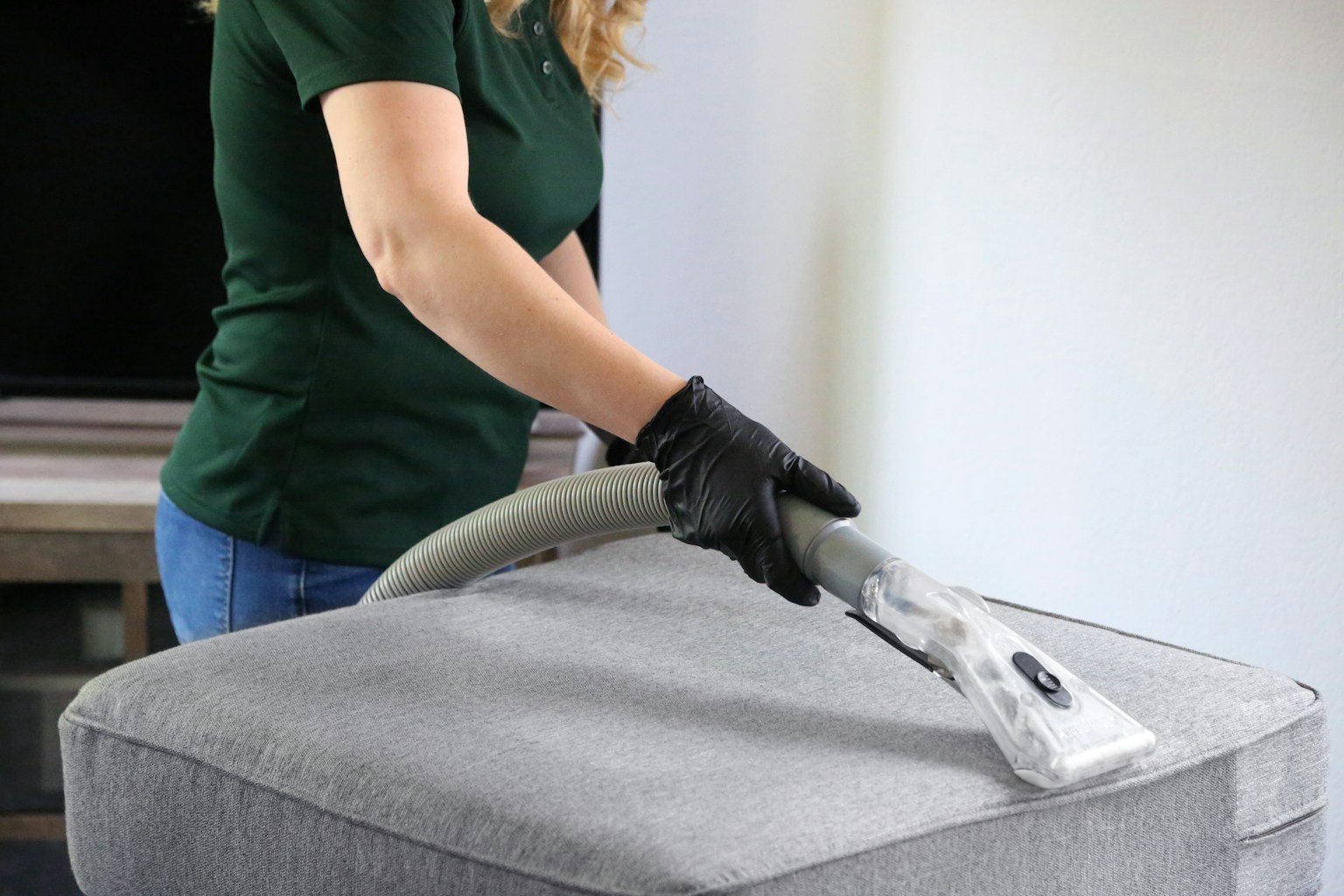
Carpet cleaning is a strange business to market. Almost nobody needs it urgently, almost everybody needs it eventually, and the job does not come with a contract. So most carpet cleaning marketing is aimed at new customers: postcards, local service ads, a coupon in a mailer, a listing on a home services marketplace.
All of that works, at a price. But a carpet cleaning company that has been running a few years is sitting on something more valuable than its ad account: a list of every household it has cleaned, with the date of the last job. Carpets get dirty again on a fairly predictable schedule. That list is a calendar of future jobs, and most operators never open it.
Carpet cleaning is a repeat business with no subscription
Unlike pest control or pool service, carpet cleaning rarely runs on a plan. The customer books a clean, pays, and the relationship ends until they think of it again. That gap is the whole problem. The customer does not think of it again at the right moment, and when they do, they search online and book whichever company is at the top of the results.
The household that already used you is far easier to book than a new one. They know the technician, they were happy with the result, and you know the rooms, the stains, and the access. Getting them back costs a reminder and a phone call. Replacing them costs whatever your cost per acquired job runs to.
Know the cycle for each kind of customer
Not every household comes back on the same rhythm. Segment past customers by what drives their next clean:
- Households with pets or young children. Usually the shortest cycle, and the most likely to book an extra clean between regular ones.
- Standard residential. A longer, steadier cycle, often tied to the season or an event.
- Rentals and move-outs. Landlords and property managers who need a clean at every tenant change. One relationship produces many jobs.
- Commercial accounts. Offices and retail on a maintenance schedule, where a lost account is a lot of lost revenue.
- One-off emergency jobs. Water damage or a big spill. Lower repeat rate, but worth one follow-up.
Your job history already contains the intervals. Look at when repeat customers actually came back, and use that, not a generic rule of thumb, to set when each segment gets a reminder.
Time it to the moments people think about their floors
Carpet cleaning demand is seasonal in most markets. Spring cleaning, the lead-up to the holidays when people host family, and the end of a wet season when mud and salt come inside. A customer contacted just before one of those moments has a reason to book. The same customer contacted in a quiet month usually says “maybe later.”
Build the reminder schedule around your own busy periods and each segment’s cycle, so the call lands when the customer is already thinking about it. It also helps fill the slow weeks before the rush instead of adding to a schedule that is already full.
Property managers are the highest-value list
A single property manager or landlord can produce dozens of jobs a year. If one stopped calling, it is worth finding out why. A missed appointment, a price change, or a new manager at the company who has never heard of you can each end a relationship that was worth more than a hundred residential customers.
Pull every commercial and property-management account that has not booked in longer than its usual interval, and have someone call. These are business conversations: confirm who the current contact is, ask what changed, and offer a simple standing arrangement. Our home services marketing playbook covers how to measure these accounts against residential work.
Do not train customers to wait for a coupon
Carpet cleaning is full of discount mailers, and it is tempting to send every past customer a coupon. Resist making it the default. A customer who always gets a discount to rebook learns to wait for one, and the business ends up doing the same job for less every time.
A better default is convenience. “We cleaned your carpets about a year ago and have a technician in your area next Tuesday. Would you like us to book you in?” That is specific, it uses the job history, and it gives a reason to decide now without cutting the price. We cover the same principle in our customer reactivation guide.
Automation first, people for the rest
Automated reminders by email and text, timed to each segment’s cycle, should go first. They are cheap and they bring back the customers who only needed a nudge. Then the rest of the list stays quiet.
Those customers need a person who can answer a question about a stain, quote the job, and book a slot while they are on the line. Office staff at a busy carpet cleaning company rarely have time for outbound calls. That is the part we run. Our own trained agents call past customers, and we are paid on jobs we can attribute. The reactivation call script shows how those calls go. Pest control and pool service run on similar repeat-service economics.
Where to start
Pull every customer from the last three years with the job date and type. Segment them by cycle. Flag property managers and commercial accounts that are overdue. Then schedule reminders ahead of your busy periods and put people on the commercial accounts first.
If you want to see what your past-customer list is worth, book a strategy call.