
Dermatology Marketing: Work the Patient List Before the Ad Budget
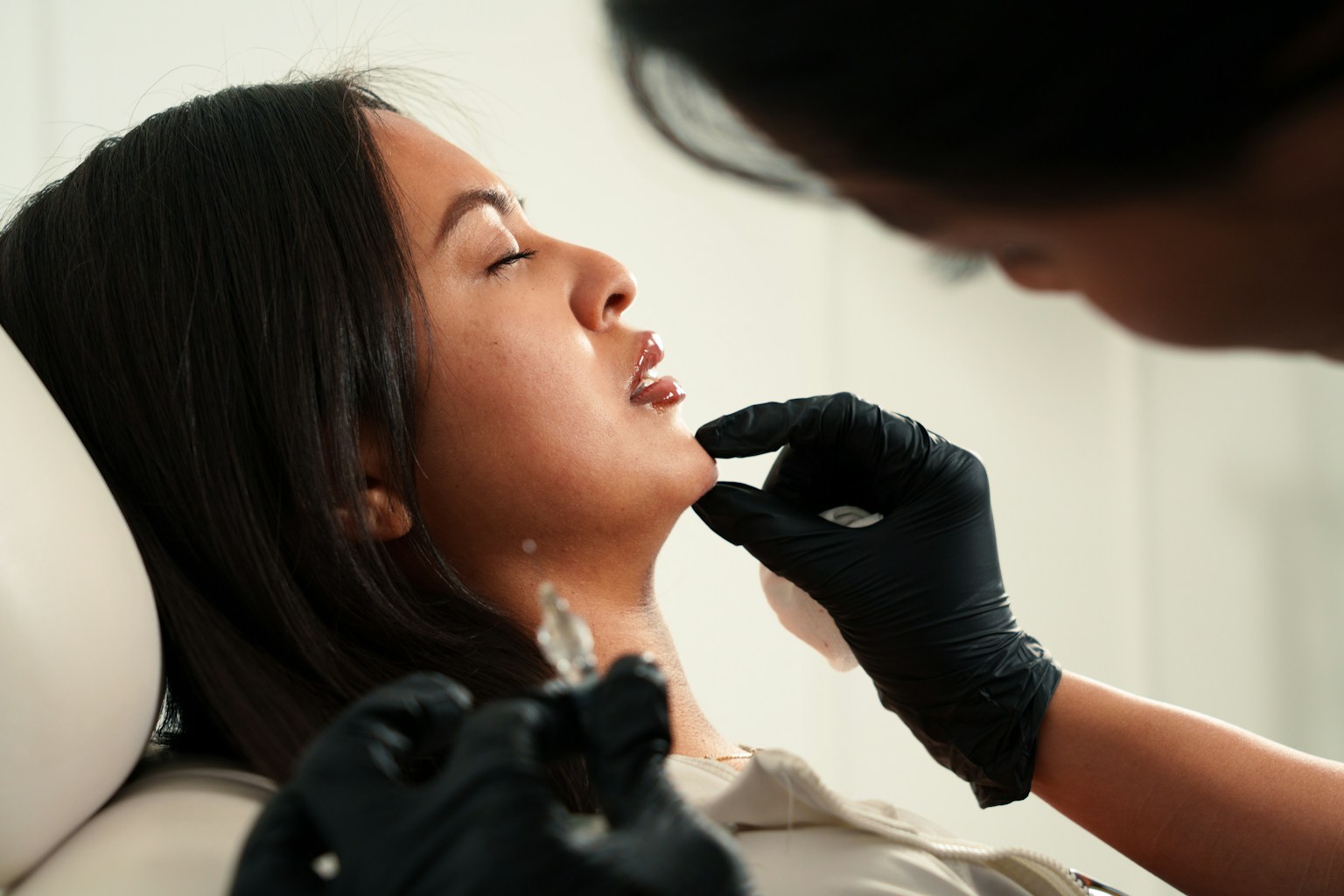
Most dermatology marketing plans I see start with acquisition. Paid search for “dermatologist near me”, a refreshed website, a review push. All reasonable. But when I ask an operator how many patients were seen in the last three years and have not been back in the last eighteen months, the answer is almost always “I’d have to pull that”. That list is usually the cheapest revenue in the business, and in dermatology it is unusually easy to work, because the specialty has built-in reasons for patients to return.
The catch is that a dermatology group is really two businesses sharing a front desk, and the two lapse in completely different ways.
Medical and cosmetic run on different clocks
The medical side runs on clinical follow-up. Full-body skin checks for higher-risk patients, chronic condition management for acne, psoriasis, eczema and rosacea, post-procedure follow-ups after excisions and Mohs. Intervals are set by the provider, mostly billed through insurance, and the reason to come back is health.
The cosmetic side runs on treatment cycles. Neuromodulators wear off on a fairly predictable schedule, fillers on a longer one, and laser and peel programs are sold as series. It is mostly cash pay, the reason to come back is the result fading, and the patient has a dozen med spas competing for the same appointment.
Treat them as one list and the marketing lands badly on both. A medical patient overdue for a skin check does not want a promotional email about lip filler. A cosmetic patient who has drifted to a cheaper injector will not answer a generic “time for your annual visit” reminder. The first piece of real dermatology marketing work is splitting the database so each lapsed patient gets the right reason to return.
The medical lapse is a clinical gap, so say so
When a patient the provider asked to see every twelve months has not been back in twenty, that is not a marketing problem first. It is a care gap. That framing matters, because it gives the practice a legitimate, non-promotional reason to make contact, and it is the framing patients respond to.
The practical work:
- Pull the recall list by intended interval, not by last visit date. A patient on a six-month interval who is four months overdue is a bigger gap than an annual patient who is two months overdue. Most practice management systems can report on this if the recall flags were set at checkout. If they were not, that is the fix to make first.
- Prioritise by clinical risk, then by value. Patients with a history of skin cancer, or on medication that needs monitoring, go to the top. The provider should sign off on how they are ranked.
- Keep the outreach plain. “Dr. Patel asked us to see you every year for a skin check and our records show it has been about twenty months. Can I find you a time?” No offer, no urgency language, nothing that reads like an ad.
Insurance changes are the other common reason medical patients go quiet. Somebody changes employer, the new plan has a different network, and they assume the practice is out of it. A call that checks coverage recovers a share of those patients that no automated reminder will reach.
The cosmetic lapse is a competitive loss
A neuromodulator patient who rebooked every few months for two years and then stopped did not forget. In most cases they went somewhere else, decided the results were not worth the price, or had one appointment that disappointed them. Each of those needs a different conversation, and none of them is solved by a discount email.
We have written about why discounting trains the wrong behaviour in aesthetic practices, and it applies with more force in dermatology, because the practice’s real edge over a med spa is the physician. The outreach should lean on that. A provider-led practice can offer a treatment review with a clinician, which is a reason to come back that a strip-mall injector cannot match.
The lapse signal is the treatment interval itself. Flag cosmetic patients when they pass one and a half times their normal rebooking gap. That is early enough to win them back before the new provider becomes a habit. The same mechanics drive medical spa marketing, and the med spa vertical page covers the economics in more detail.
Measure revenue per recovered patient, not appointments booked
The two sides have very different ticket sizes, so blending them into one “reactivation rate” hides what is working. Report them separately:
| Metric | Medical side | Cosmetic side |
|---|---|---|
| Lapse trigger | Overdue against the provider’s recall interval | Past 1.5x the patient’s normal rebooking gap |
| Primary message | Care gap, coverage check | Treatment review with a clinician |
| What to measure | Visits completed, procedures that followed | Cash revenue in the 90 days after return |
| Right channel after automation | Phone call from clinical staff or trained agents | Phone call that can book and answer treatment questions |
The medical side often looks small on the first visit and then produces the procedures: an excision found at a skin check, a biologic started for psoriasis. Track the 90 days after the return visit, not just the visit itself, or the medical recall program will look less valuable than it is.
Automation first, people for the rest
Every dermatology group should have recall reminders running by email and SMS. They are cheap and they bring back the patients who only needed a nudge. Then the sequence ends and the remainder stays lapsed. Those are the patients worth calling, because they need a person who can check coverage, answer a question about a treatment, and put a time in the book while they are on the phone.
This is the part most practices skip, because the front desk is already full answering inbound calls. It is also the part we run for operators. Our trained agents call the lapsed list, and we are paid on rebooked revenue, not on dials. The reactivation call script we use shows how those conversations go, and the wider recall logic is in our guide to patient retention.
Where to start this quarter
Split the database into medical and cosmetic. Fix the recall flags at checkout so the medical list can be pulled by intended interval. Set the 1.5x trigger on the cosmetic side. Then run automation on both lists for 30 days and put people on whoever is left.
Acquisition still matters, and the standard advice on local search and reviews applies. But in dermatology the patients who already trust the practice are the ones who return fastest, and most groups have years of them sitting in the system untouched.
If you want to see what your lapsed list is worth, book a strategy call and we will walk through the numbers with you.