
Lawn Care Marketing: The Spring Renewal Is Your Real Campaign
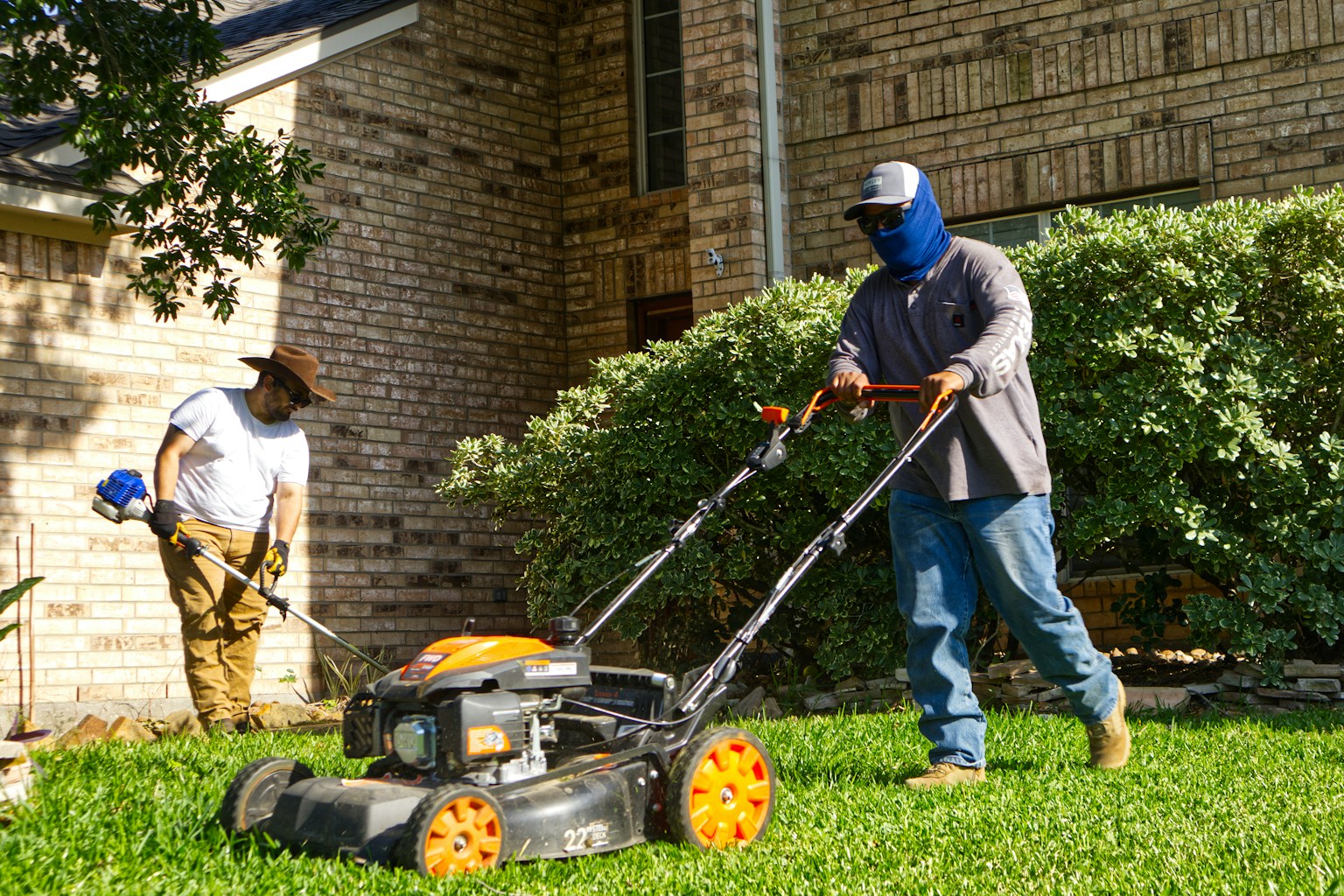
Every lawn care operator knows the shape of the year. A frantic spring when everyone wants service at once, a busy summer, a tail into fall, then a quiet winter. Most lawn care marketing follows that shape: a burst of door hangers, yard signs, and paid search in late winter to sign up new program customers before the first application round.
What gets far less attention is the list that matters most in that window: the customers who were on a program last season and did not renew. For an established operator, that list is usually bigger than the number of new customers the spring campaign will sign, and it is a lot cheaper to work.
Lawn care is a renewal business
A fertilization and weed control program is a seasonal subscription. Customers sign up for a series of applications, the crew runs the route, and the business lives or dies on route density and how many customers come back next year.
That makes the non-renewal the most important number in the business, and it is the one most operators look at least. A customer who did not renew has not usually chosen a competitor. Often nobody asked them. The program ended in late fall, the auto-renewal notice went out in an email that was never opened, and by the time spring arrived they had either forgotten or signed with whichever company put a flyer on their door first.
Pull the non-renewal list before the spring rush
Timing is the whole game. In spring, your office is buried in inbound calls, your crews are running full routes, and nobody has time for outbound calls to last year’s customers. The window to work the non-renewal list is late winter, before the first round, when the office has capacity and the customer is starting to think about the lawn again.
The practical sequence:
- Pull every customer who was on a program in either of the last two seasons and is not on one now. Include the services they had and the route they were on.
- Tag the reason if you have it. Price, service quality, moved, did it themselves, or unknown. Most operators find “unknown” is the biggest group, which tells you the problem is contact, not dissatisfaction.
- Prioritise route-dense customers. A former customer on a street where you still service four houses is worth more than one at the edge of the territory, because the stop costs almost nothing to add back.
- Contact them before your new-customer campaign launches, not after. Once the door hangers go out, a former customer may sign with the first company that knocks.
What the conversation should sound like
A former customer does not need to be told what lawn care is. They need to be reminded of the result they had and given an easy way to restart. Something like: “We treated your lawn for two seasons and it looks like the program did not renew last year. We are setting the spring routes on your street now. Would you like me to add you back for the first application?”
That works because it is specific. It references the history, it is honest that the renewal did not happen, and it gives a real reason to decide now: the route is being built. No discount is needed, and offering one trains every other customer to let their program lapse and wait for the call. We have covered why that backfires in our customer reactivation guide.
Service complaints are recoverable
Some non-renewals are not forgotten. The weeds came back, a crew missed a round, or a bill was higher than expected. Those customers will not answer an automated renewal email, but a good share will come back if someone calls, acknowledges the issue, and explains what will be different.
That is also the most useful feedback the business will get all year. Track the complaints by branch and crew. If one route is producing most of the service-related non-renewals, that is an operations problem the marketing budget cannot fix.
Add-ons are the second conversation
A restart call is also the right moment to talk about the services a customer did not have last season: aeration and overseeding in the fall, grub control, tree and shrub care, or a mosquito program. Customers who already trust the crew are far more likely to add a service than a new customer is to buy a bundle on the first call.
Keep the restart first and the add-on second. A customer who is asked to buy three things on a call about a lapsed program often says no to all of them.
Automation first, people for the rest
Automated email and SMS should go out first in late winter. They are cheap and they catch the customers who just needed a reminder. The remainder need a person who can check what the lawn had last year, answer a question about price, and add them to a route on the spot.
That is the part most operators do not have the office staff to do, and it is the part we run. Our own trained agents call the non-renewal list, and we are paid on renewed programs we can attribute. The reactivation call script shows how those calls go, and our home services marketing playbook covers acquisition and measurement across the wider trade. Pest control runs on the same recurring model, which we covered in pest control marketing.
What to measure
Measure renewed programs and the revenue they bring for the full season, by branch and by non-renewal reason. Compare the cost per renewed customer with the cost per new program customer from the spring campaign. For most established operators, the gap is large enough to change where the late-winter budget goes.
If you want to see what last season’s non-renewals are worth before your spring routes fill, book a strategy call.